
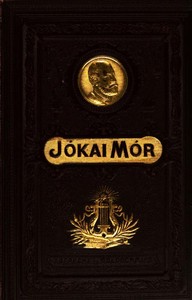
Az élet komédiásai (2. rész) by Mór Jókai
Mór Jókai’s 'The Comedians of Life (Part 2)' picks up right where the first book left off, but you don’t need to have read it to jump in. We’re in Hungary during the 1840s, a time when people are starting to whisper about freedom, reform, and shaking off old rules.
The Story
Our main guy, Ferenc, is a bright young man from the countryside. He heads to the city of Pest to study, and let me tell you, it’s a whole new world. He trades village life for coffee houses buzzing with political talk, student clubs with secret handshakes, and a dizzying new social scene. He falls in with a group of friends—some are dreamers, some are schemers, all are trying to figure out their place. There’s romance, too, of course, which gets tangled up with all these big ideas about honor and the future. The plot isn't about one huge event; it’s about the slow build of pressure. You watch Ferenc and his friends make choices—some brave, some foolish—that you just know will lead them straight into the historic Revolution of 1848. The tension comes from knowing a storm is coming and seeing these characters walk right into it, full of hope.
Why You Should Read It
Here’s the thing about Jókai: he makes history feel alive. This isn’t a dry list of dates and battles. It’s about the people who lived it. Ferenc’s confusion, his excitement, his first taste of independence—it’s all so relatable. Jókai has a fantastic eye for the little details that make a character real, and he writes with a gentle, often funny, warmth. The 'comedians' in the title is perfect. It’s not that the story is a laugh riot; it’s that these characters are all playing parts—the patriot, the lover, the rebel—as they try on different identities in a changing world. You get completely wrapped up in their personal dramas, and before you know it, you’ve learned a ton about a pivotal moment in European history.
Final Verdict
This book is a gem for anyone who loves character-driven historical fiction. If you enjoyed the feel of novels like 'Les Misérables' or 'War and Peace' but want something more intimate and less daunting, Jókai is your guy. It’s perfect for readers who like to see big historical shifts through the eyes of ordinary (and extraordinarily well-drawn) people. You’ll finish it not just thinking about Hungary’s past, but about how any generation finds its courage when the world asks it to grow up fast.
The copyright for this book has expired, making it public property. Use this text in your own projects freely.
Jessica Miller
8 months agoAfter spending a few days with this digital edition, the objective evaluation of the pros and cons is very refreshing. I appreciate the effort that went into this curation.

Margaret Thomas
10 months agoExtremely helpful for my current research project.