J
Jill Wasberg
Guest
- Thread Author
- #1
I don’t know about you, but here in Seattle, the different seasons affect my interest in cooking and in eating. I tend to accidentally fast all summer. The heat, the smoke in the air, the tourist crowds, there’s something about the summer energy here that kills my appetite.
Then fall happens, and I am ready to eat again. It’s full-time oven mitts, winter kimchi, spicy jjigae and ginger-garlic soup, and I cheerfully eat my way through fall, winter and spring.
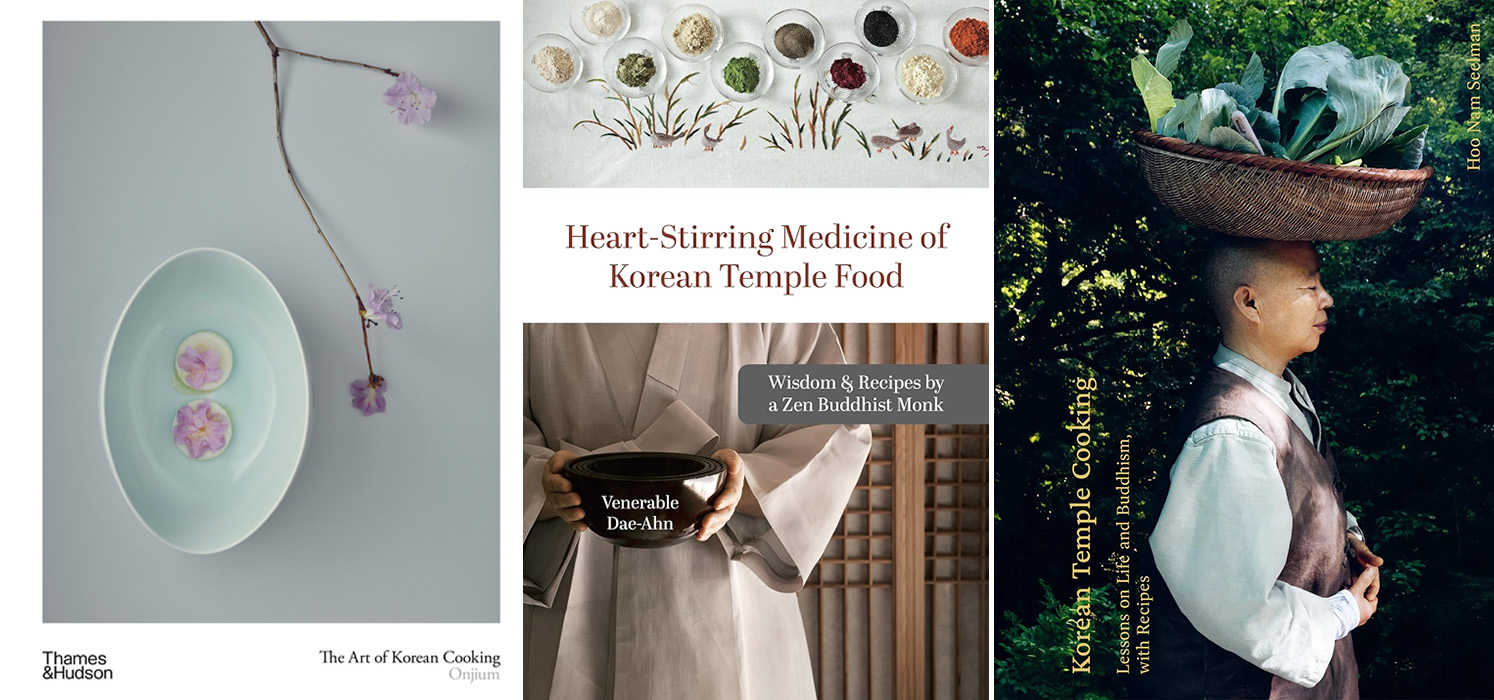
If you’re a seasonal eater like I am, I have three recently published Korean cookbook recommendations for you that pay tribute to ingredients and dishes per the four seasons. Two of them showcase a growing trend in Korean food: Korean Buddhist temple recipes. The third is a resplendent work of photography that shares the recipes of Onjium, a Michelin-star restaurant in Seoul, South Korea.
On a mainstream level, Korean food isn’t known for its more mellow side. It’s spicy, bubbly, and embraces quirkiness and messiness. There is currently another side of Korean food prep softly easing its way into the culinary mainstream, which is Korean Buddhist temple cooking.
As some temples and culinary monks are mainstreaming themselves through YouTube, social media and television, temple cooking is growing in popularity. It’s vegan, clean, and emphasizes healing of mind and body.
It’s hard to believe the dishes in the temple cookbooks, many of them traditional, could carry the same level of satiation and pleasure, because animal products are such staples in Korean food. But these two cookbooks make it entirely plausible and even goals-worthy to incorporate temple eating practices. The recipes are achievable for novices and experts, and here in the Seattle area, the ingredients can for the most part can be found in Asian markets around town.
Korean Temple Cooking: The Life and Work of Joengkwan Snim, by Hoo Nam Seelman

The recipes are separated by the four seasons, and they emphasize the medicinal and healing elements of certain foods in season – roots, greens, fruits and plant-based seasonings. You also get to know Joengkwan Snim, and her Buddhist-based cooking practices and philosophies.
Heart-Stirring Medicine of Korean Temple Food, by Venerable Dae-Ahn

In Korea, food is often considered medicinal, and in this book, each recipe soothes and fixes the mind and body in one way or another. Culinary monk Venerable Dae-Ahn shares a mere 14 recipes in her book that carry a healthy punch. Recipes and her writings not only address physical health issues like fatigue, a healthy heart and other organs, but also mental and emotional health. There are foods and lessons in the book that curb anger, depression, anxiety and fear.
The Art of Korean Cooking: Onjium

It leans toward elaborate. Soondae stuffed in a croaker’s air bladder, anyone? Or beef wrapped in August lilies? Keep in mind, several of the recipes fed royalty of the Joseon and Goryeo dynasties.
The clear star of this coffee table book is the photography, although there are also a series of cultural essays to sift through about past dynasties and food and ingredient-related traditions.
Here in Seattle as the temperatures cool and air grows damp after a fairly dry summer, these three cookbooks will inspire you to bring the teachings of Buddha and the celebration of the change of seasons into your year ahead of cooking.
The post Three new cookbooks showcase the meditative nature of Korean food appeared first on International Examiner.